What Is a Flush in Kismet?
Kismet is one of the most elegant dice games ever created — a blend of luck and strategy that takes the familiar feel of Yahtzee and adds a colorful twist. The game first appeared in the 1950s, created by the American company E.S. Lowe, and quickly became a family favorite for its vibrant dice and poker-style scoring. In fact, “kismet” is an old Turkish and Arabic word meaning fate or destiny — a fitting name for a game where every roll can completely change your fortune.
Understanding the Kismet Dice
Unlike most dice games, Kismet uses six-sided dice in two different colors — usually three of one color and three of another. This adds an extra layer of possibility: not only do numbers matter, but colors do too.
Among the special color-based combinations in Kismet, one stands out for both its rarity and beauty — the Flush.
What Is a Flush?
In Kismet, a Flush happens when all dice show the same color, regardless of the numbers. It’s similar to how a “flush” works in poker, where all cards are of the same suit.
So, if every die rolled shows the same color — whether all purple, all green, or any other color combination your set uses — that’s a Flush.
For example:
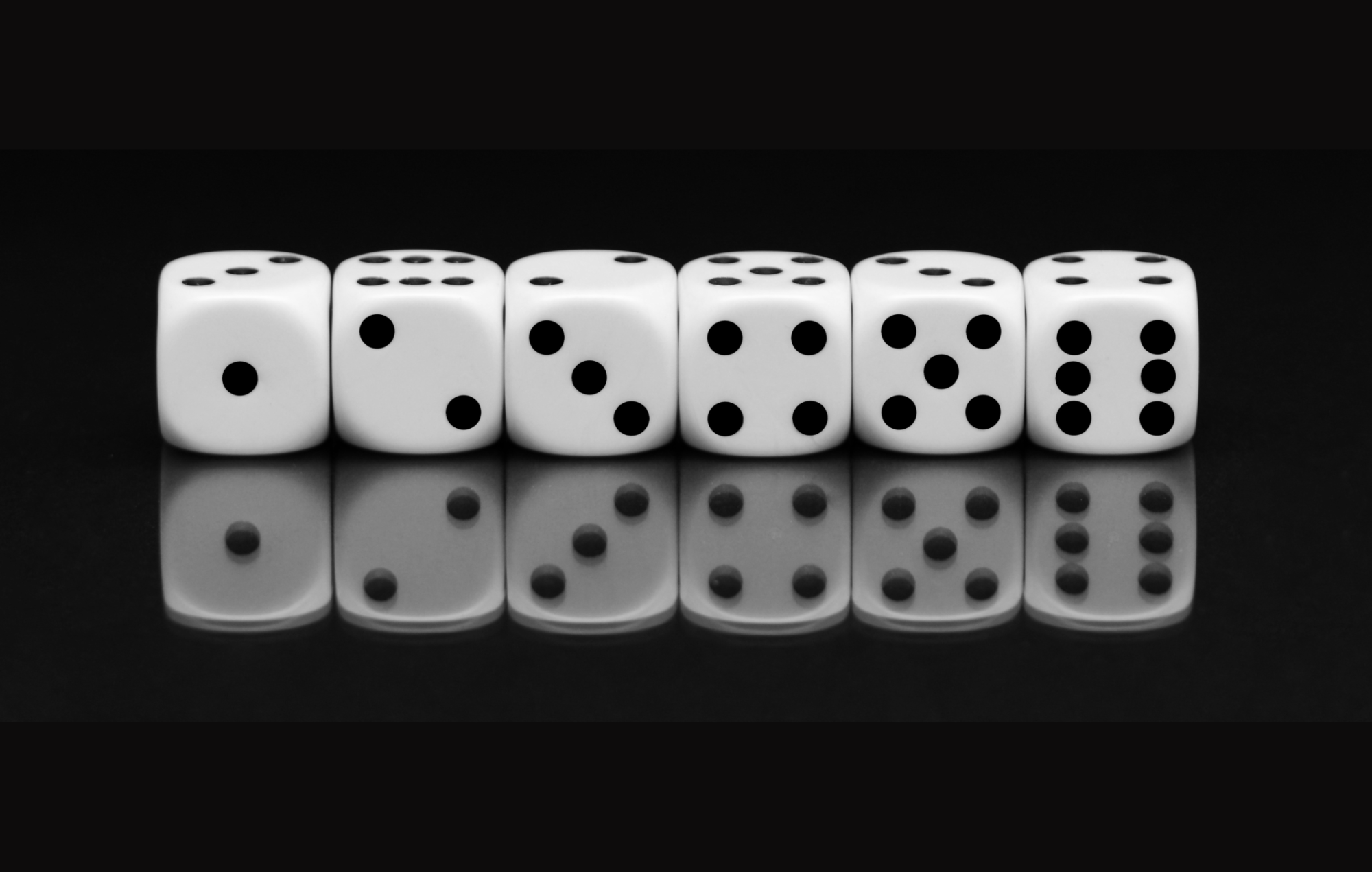
🎲 🎲 🎲 🎲 🎲 🎲
All purple — even with different numbers — counts as a Flush.
Why It Matters
The flush adds a colorful layer of excitement to Kismet’s scoring system. It can be the difference between an ordinary round and a high-scoring one — especially when paired with strong numerical rolls like Full Houses or Kismets (the equivalent of a Yahtzee).
This blend of numbers and colors makes Kismet unique among classic dice games, turning every throw into a moment of suspense and beauty — a perfect expression of “fate.”
Try It Yourself
Ready to test your luck and spot your own flushes? Download our free printable Kismet Score Sheet and start playing tonight!